Teacher training was the beginning.
You learned how to teach yoga.
Now learn how to become a better teacher.
Instructor 52 is a framework built around 52 concepts designed to help yoga teachers continue developing their craft through practice, reflection, and feedback.
I’m looking for five yoga teachers for an initial coaching pilot.
01
Great teachers consistently work on their craft.
Teaching combines an array of skills and qualities.
Without continued practice and feedback, even experienced teachers can fall into autopilot. Small habits can creep in, awareness can fade, and teaching can stop evolving.
Instructor 52 keeps those skills polished and those qualities bright.
02
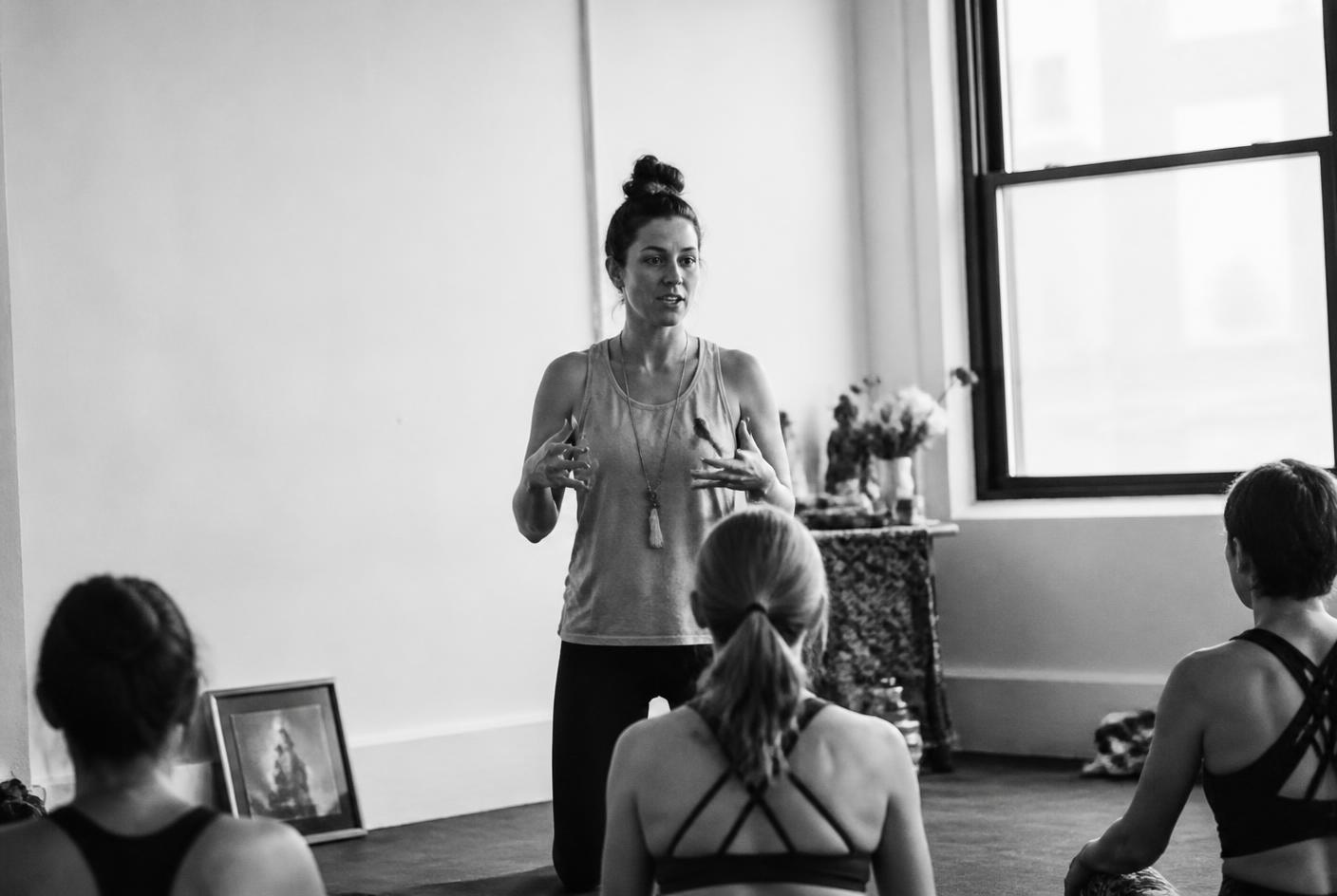
What would happen if you worked on your teaching every week?
Instructor 52 gives you 52 concepts to explore over a year of continuous development, or at your own pace.
Explore them through the online program (coming 2027), or experience the framework through coaching, workshops, and professional development for teachers and studios*.
Because great teaching develops through consistent practice, not occasional training.
*Now accepting pilot participants for individual coaching and direct feedback as we develop our standardized curriculum.
03
Every class has something to teach you about your teaching.
Almost every teaching choice sits somewhere on a spectrum.
Instructor 52 does not prescribe one correct way to teach. It helps teachers become more intentional about the choices they make, observe how those choices affect students, and understand the relationship between intention, communication, and impact.
The result is a more authentic and more effective teacher.
The dot isn’t the correct position. It’s a position you can observe and adjust.
04
Pilot Coaching Model
You teach.
A class of yours, taught the way you normally teach it.
I observe.
What’s already working, and the specific moments where a small change would land differently.
We talk.
A conversation, not a review. We look at it together.
You experiment.
You take a few observations into your next classes and notice what changes.
05
The students tell us. Without saying a word.
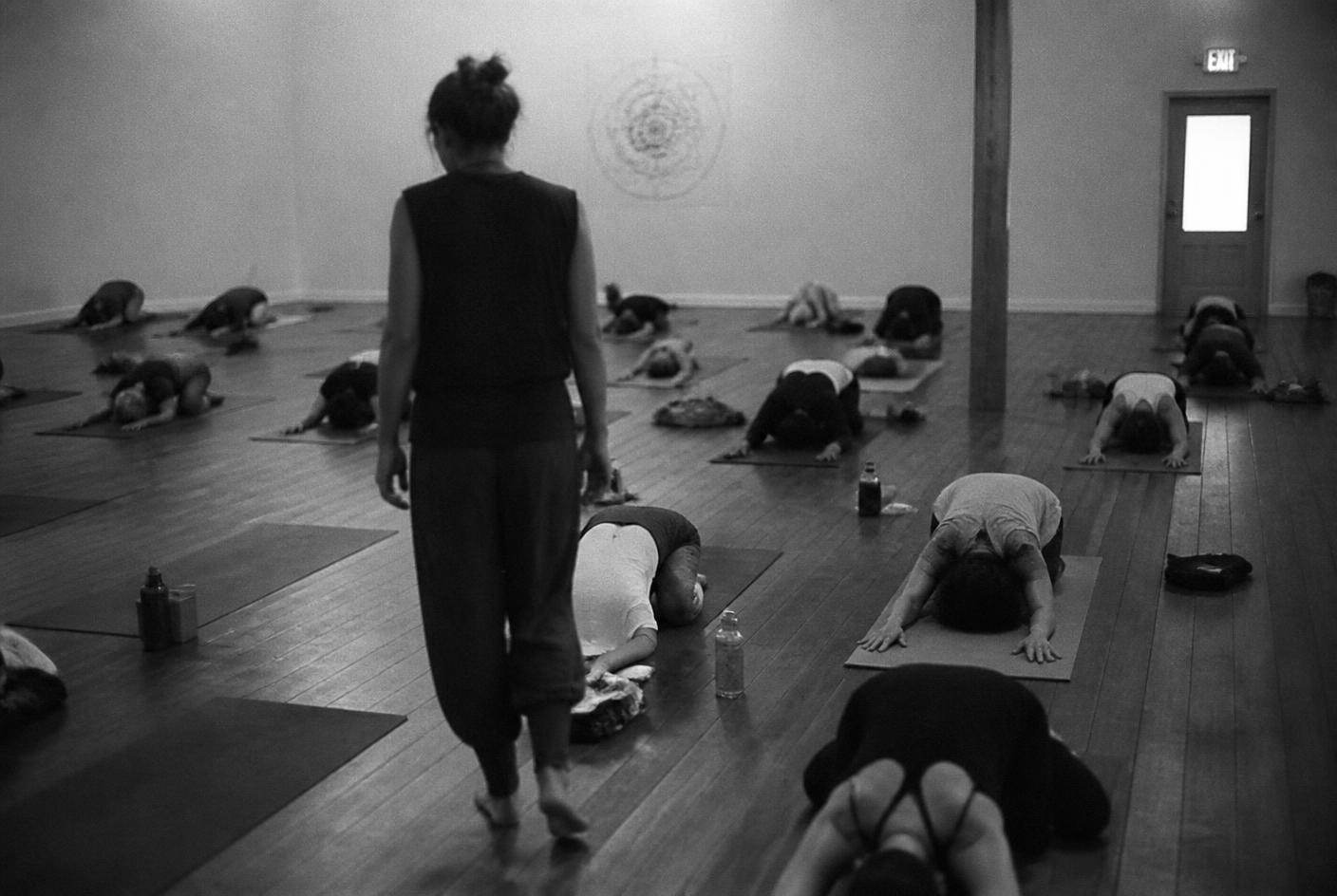
The measure of effective teaching isn’t whether someone tells you they liked your class. Look at the room.
- How are students responding to your cues?
- Do they understand what you're asking without looking around the room to figure it out?
- Is your instruction producing the response you intended?
The most useful feedback is often happening right in front of us.
How students respond to your instruction tells us something about whether what you intended to communicate actually arrived. Coaching helps you see those signals, understand them, and experiment with small adjustments.

06
Josh Willis, M.Ed., E-RYT 500, YACEP
I bring over 25 years of yoga practice and study, including 15 years combined experience as an instructor, studio owner, wellness founder, mentor, and instructor coach.
My M.Ed. in Adult Training & Development directly informs my coaching and the I52 Framework: the science of adult learning, communication, feedback, and deliberate skill development.
Over the course of my career, I’ve identified 52 concepts that shape how you teach, not what you teach. They’re designed to help you feel more like yourself in the room, find your voice, communicate more clearly, deliver more effective cues, and improve your classes through observation, experimentation, and deliberate adjustment.
My methodology combines:
Experience. Experimentation. Empathy.
The goal isn’t to teach you to teach like me.
It’s to help you become more deliberate and effective at teaching like you.
Want someone to observe your class?
I’m looking for five yoga teachers who would like free, thoughtful feedback on their teaching.
This is an early pilot as I develop a new approach to ongoing professional development for yoga instructors.
If you’re not in the Philadelphia area, or if you prefer, you can also send me a recording of your class.
Looking to bring Instructor 52 to a studio or teaching team?
For Studios
Bring ongoing teacher development and structured Teaching Assessments to your teaching team.
For StudiosTeacher Trainers
Learn to use the Instructor 52 framework to develop teachers within your own studio or community.
Become a Teacher Trainer